
3a/352 South Street O’Connor WA 6163 | (08) 93376460
Injuries are rarely simple. Pain may linger long after tissue healing, movement patterns may change, and confidence in the body often erodes following trauma, surgery, or repeated flare-ups.
At Next Wave Therapy, injury rehabilitation is approached as a whole-person process, not a single treatment session. As a specialist-led, multidisciplinary clinic, we provide advanced injury rehabilitation in O’Connor and the wider Fremantle region for people dealing with acute injuries, post-operative recovery, chronic pain, and complex musculoskeletal conditions.
This page serves as a central knowledge hub outlining the full scope of injuries we treat, how they are categorised, and how our team supports recovery through evidence-based physiotherapy, exercise rehabilitation, occupational therapy, massage, and allied health collaboration.
If you are unsure which service you need, this page is designed to guide you — and link you to the most relevant, in-depth treatment pages.
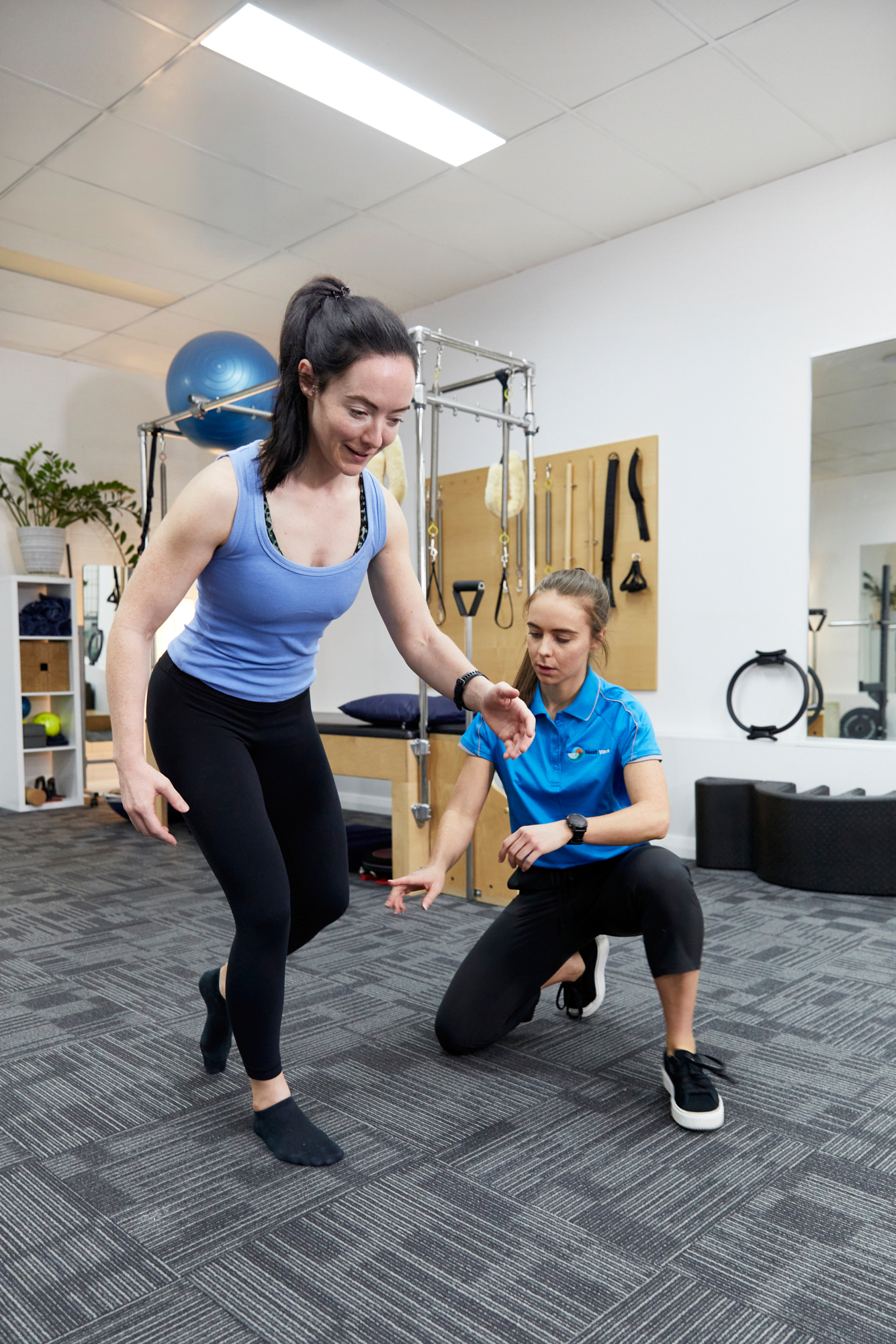
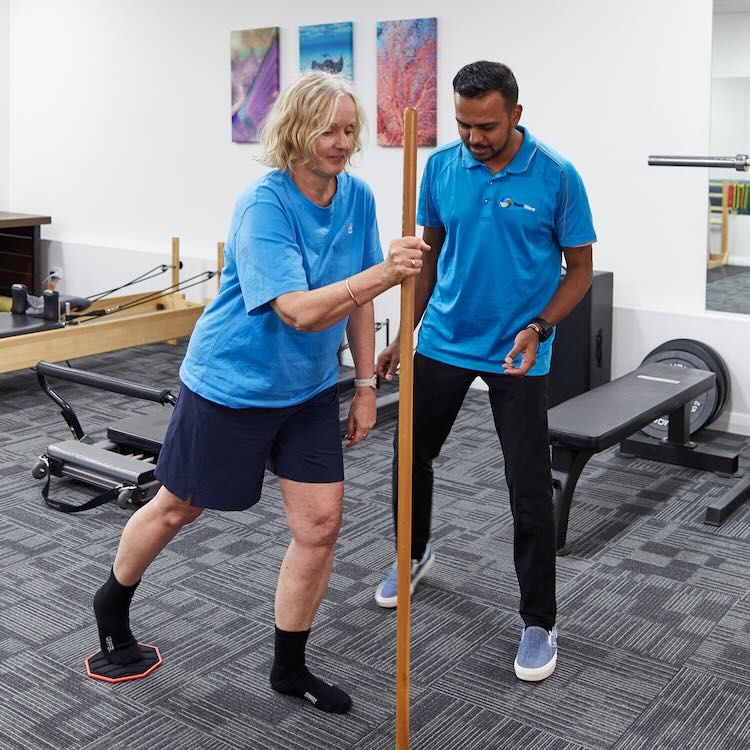
Injury rehabilitation is the structured process of restoring movement, strength, control, and confidence following physical injury or surgery. It is not limited to reducing pain — it addresses:
At Next Wave Therapy, rehabilitation is guided by specialist musculoskeletal physiotherapy expertise, particularly for injuries that have not resolved with standard care. This advanced clinical reasoning allows us to assess why recovery may be stalling, rather than repeatedly treating symptoms.
Soft tissue therapy may assist with a wide range of musculoskeletal and pain-related concerns, including:
Upper limb injuries often involve complex interactions between joints, muscles, and the nervous system. Pain may refer from the neck or shoulder even when symptoms present further down the arm.
Lower limb injuries commonly affect walking, running, sport, and daily function. Load management and progressive strengthening are essential for long-term recovery.
Spinal pain may involve structural, muscular, neural, or central pain mechanisms. Persistent back pain often requires a broader rehabilitation lens.
Sports injuries may occur suddenly or develop over time. Effective rehabilitation balances tissue healing with graded exposure to sport-specific loads.
Repetitive loading without adequate recovery may lead to persistent pain and performance decline.
These injuries benefit from load modification, education, and progressive strengthening rather than rest alone.
Bone stress injuries sit on a continuum and require careful management to prevent progression.
Surgery is only one step in recovery. Rehabilitation quality strongly influences outcomes.
Persistent pain is influenced by biological, psychological, and social factors. Treatment focuses on restoring function rather than chasing pain elimination alone.
Hypermobility and connective tissue conditions require specialist assessment and long-term planning.

Rehabilitation at Next Wave Therapy integrates:
Treatment plans are individualised and adjusted as recovery progresses.
Injury recovery may involve more than physiotherapy alone. Our integrated team includes:
This collaborative model allows seamless care under one roof.
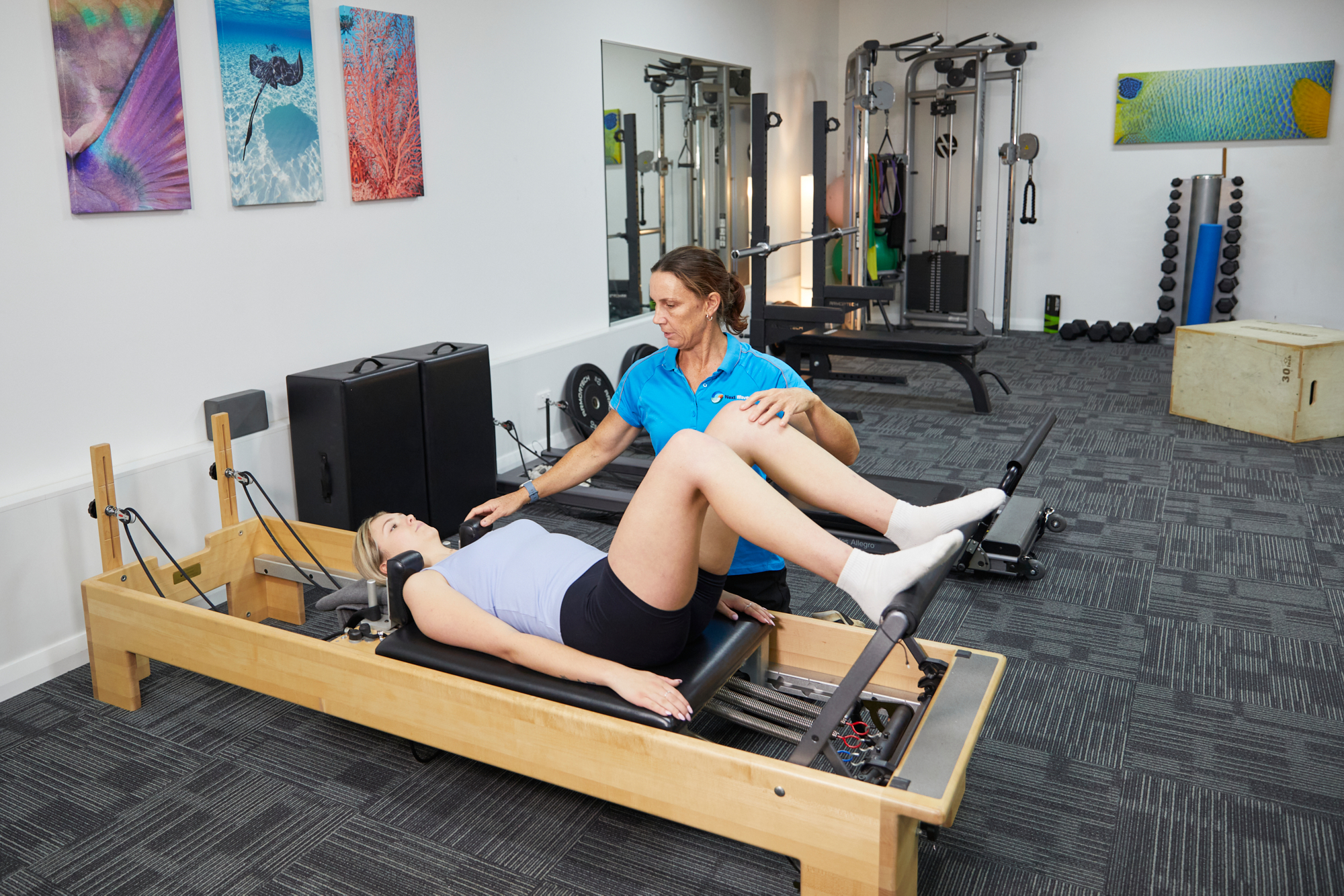
You may benefit from injury rehabilitation if you are:
Early assessment may reduce long-term complications.
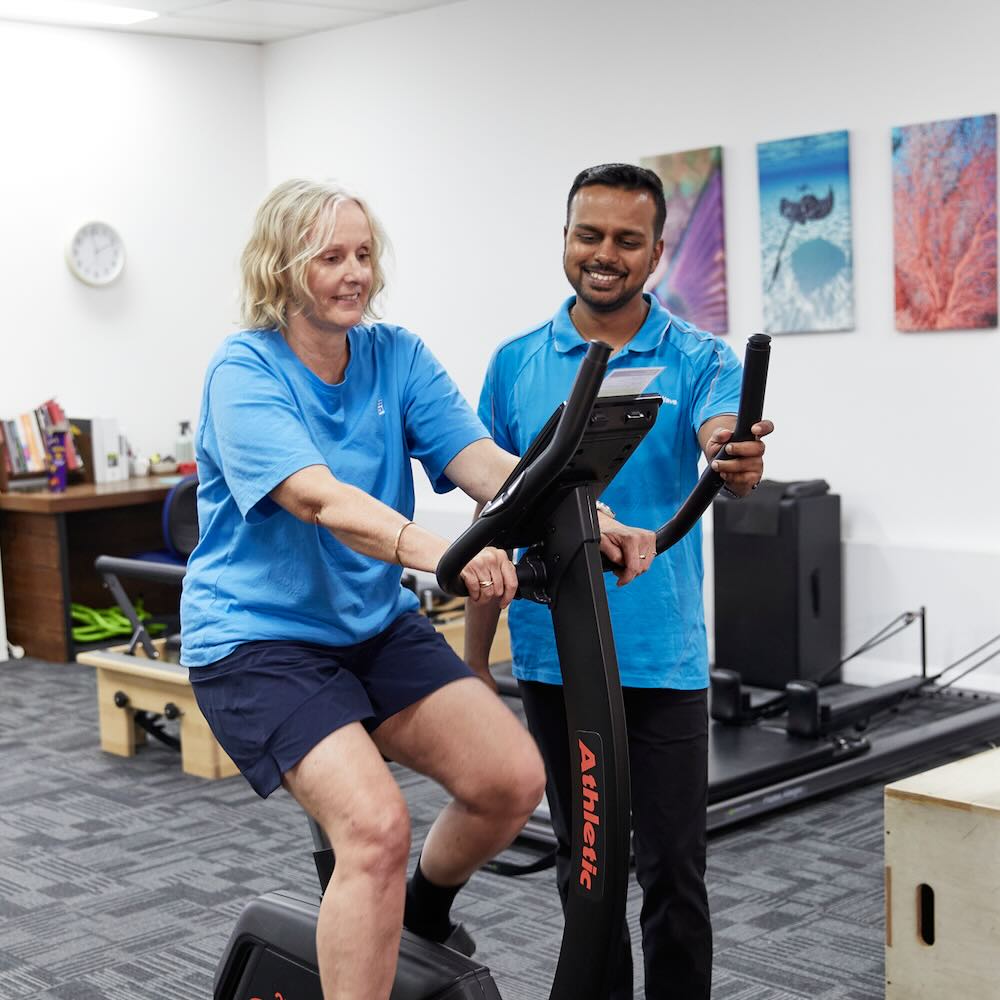
No referral is required to see a physiotherapist.
Recovery timelines vary depending on injury type, severity, and individual factors.
Some discomfort may occur, but rehabilitation is carefully progressed to avoid flare-ups.
Yes. Next Wave Therapy specialises in complex and persistent conditions.