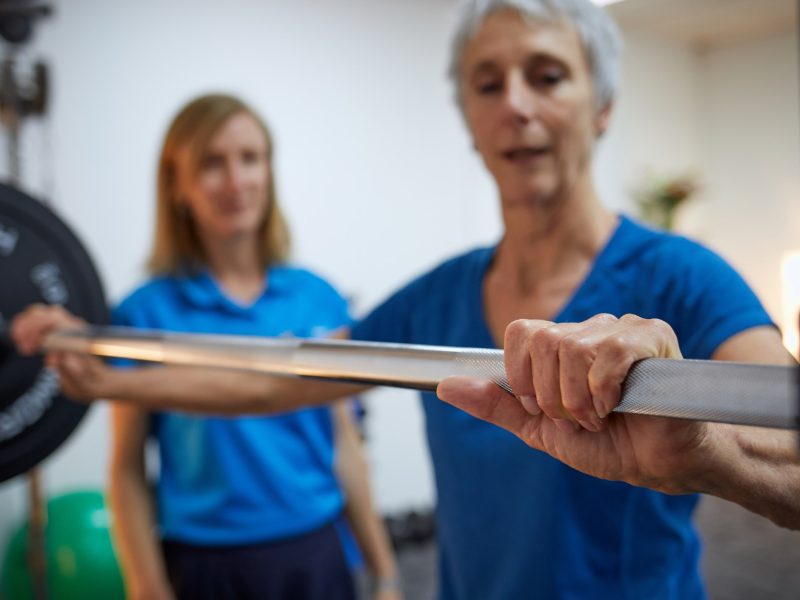
Occupational Therapist Carleen Ginter treats urge and stress incontinence at Next Wave Therapy O’Connor (Fremantle area) clinic. Urinary incontinence is life disrupting. An Occupational Therapy approach gives hope for the 40% of women who experience bladder weakness in Australia.
Understanding Urinary Incontinence
There are several types of urinary incontinence:
- Urge incontinence: Involuntary urine loss accompanied by a sudden, strong urge to urinate.
- Stress incontinence: Involuntary urine loss due to pressure on the bladder (e.g., during exercise, sneezing, coughing).
- Overflow incontinence: Frequent urine loss or continuous dribble due to an inability to empty the bladder fully.
- Functional incontinence: Difficulty reaching the toilet in time due to physical limitations.
- Mixed incontinence: Experiencing multiple types of incontinence, commonly stress and urge.
Surprising Facts About Incontinence
- Over half of women with urinary incontinence are under 50
- Only 30% of those with urinary incontinence seek professional help
- Weather conditions (cold, wet, windy) can worsen symptoms
- 25% of childless women who exercise experience urinary incontinence
- Incontinence is a leading cause of women entering care facilities later in life
- Incontinence increases the risk of falls and fractures
Urge Urinary Incontinence: What You Need to Know
Urge incontinence involves bladder leakage coupled with a sudden urge to urinate, often referred to as “key in lock syndrome.”
This urge can strike unexpectedly, leading to leakage if you don’t immediately reach a toilet.
Causes of Urge Urinary Incontinence
The bladder wall stretches as it fills with urine, triggering the urge to urinate.
In individuals with urge incontinence, this urge can be triggered before the bladder is full, sometimes leading to leakage.
This may be caused by bladder spasms during filling.
Common Scenarios and Beliefs
- “Just in case” peeing: Urinating before the bladder is full to avoid later urgency
- Rushing to the toilet, sometimes resulting in leakage
- Avoiding fluids to prevent the urge to urinate
- Believing you have a small or weak bladder and cannot drink much
Contributing Factors
Many factors can contribute to urge urinary incontinence, including:
- Age
- Stress
- Weather
- Fluid intake (tea, coffee, carbonated drinks, alcohol)
- Constipation
- Poor bladder habits (e.g., “just in case” peeing)
Occupational Therapy for Urge Urinary Incontinence
Occupational therapy empowers you to manage urge incontinence through a multi-faceted approach:
If you experience urge incontinence, with or without urine loss, you are aware of the interference this has on your daily life. For instance, you may find you need to plan your day around being near a toilet or you may avoid consuming fluids before important events etc.
1. Self Management Education
Understand healthy bladder function and the causes of your urge incontinence.
Learn techniques to reduce the urge sensation, increase bladder capacity and extend the time between bathroom visits.
Occupational therapists can also address the emotional and psychosocial impact of leakage.
2. Lifestyle and Diet Modification
Collaborate with your occupational therapist to identify lifestyle and diet changes that can help manage your incontinence.
This may include stress management techniques, exercise routines and activity scheduling.
Dietary recommendations might involve adjusting fluid intake, reducing caffeine and artificial sweeteners, spacing out fluid consumption and managing constipation (with the help of our naturopath if needed).
3. Behavioural Retraining
Learn to recognise your reactions to urgency and develop effective strategies to cope.
A bladder diary can help identify patterns of urges and leakage.
Proven strategies for bladder control include relaxed breathing, curling toes, calf muscle contractions, pelvic floor exercises and distraction techniques like counting backward.
4. Pelvic Floor Exercises/Pilates
Strengthening pelvic floor muscles can reduce urgency and improve bladder control.
Our occupational therapists can assess your pelvic floor function using ultrasound and guide you through biofeedback-based retraining.
You can also participate in pelvic floor exercise programs or Pilates classes led by our occupational therapists.
5. Adaptive Aids and Equipment
Occupational therapists can assess your needs and recommend adaptive aids and equipment like pads and specialised underwear.
They can also conduct home visits to assess and advise on fall prevention measures in your home and community.
Get Help for Your Urge Urinary Incontinence
Occupational therapist can also provide a home visit to assess and adise regarding falls prevention in the home or community.
Occupational therapy is an effective treatment for urge urinary incontinence, focusing on self-management and empowering you to regain control.
If you’re struggling with bladder control, pelvic health or incontinence, there is hope.
Evidence-based interventions can help restore your bladder control and pelvic floor function, enabling you to live a life free from worry.
Our women’s health occupational therapist at Next Wave Therapy will assess your specific type of incontinence, identify underlying contributors and develop a personalised treatment plan tailored to your needs.
Written by Women’s Health Occupational Therapist and Pilates Instructor Carleen Ginter




Ready to move, think and feel alive?
Book online or call us on (08) 9337 6460.