

3a/352 South Street O’Connor WA 6163 | (08) 93376460

Chronic Pain Physio Perth

Supportive care for long-term relief. At Next Wave Therapy our chronic pain physio works hand in hand with occupational therapy and small-group exercise rehab, so your plan addresses the physical, psychological and lifestyle sides of persistent pain, helping you move more freely and regain control of your life.

Book a physio for chronic pain in Perth

We are not your standard physiotherapy clinic. Led by Dr Jonathan Wray, a Specialist Musculoskeletal Physiotherapist, and supported by a multidisciplinary team, we offer advanced care for people experiencing complex and persistent pain. Our therapists have additional training in pain science, psychological therapy and functional rehabilitation, so we treat the whole person, not just the symptoms. We use evidence-based techniques that calm the nervous system, build movement confidence and support meaningful daily function.

Monday: 9 am – 7 pm
Tuesday: 8 am – 7 pm
Wednesday: 8 am – 6 pm
Thursday: 7 am – 7 pm
Friday: 8 am – 12 pm
Saturday: 8 am – 12 pm
Sunday: Closed

Dr. Jonathan Wray FACP, specialist musculoskeletal physiotherapist

Appointment Pricing

Specialist physiotherapy consultations are available in a range of appointment durations to suit your assessment and treatment needs, including initial, follow-up and extended consultations.

No referral is needed for private appointments. Medicare and NDIS rebates may apply with the appropriate referral. A Medicare referral does not mean sessions are bulk-billed, so we are always upfront about any out-of-pocket costs.

For current consultation fees and billing information, please visit our Appointment Fees, Terms & Policies.

Our Chronic Pain Management Services

Managing chronic pain usually takes more than a single therapy. Our clients benefit from integrated care that supports both movement and function while addressing the emotional and lifestyle impacts of living with pain.

hands-on treatment, pain-science education and graded loading. See our physiotherapy services.

Practical strategies for fatigue, sleep, stress and daily function. See occupational therapy.

Physio-led small groups of just 3 people, to rebuild capacity without flare-ups. Join our exercise classes for persistent pain.

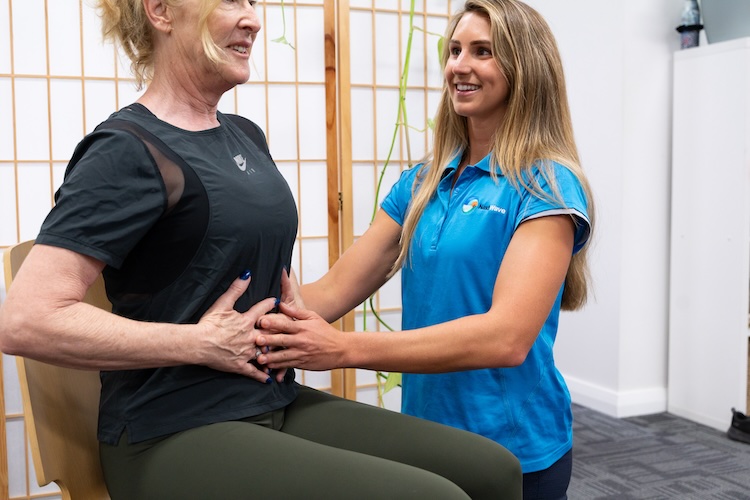
Womens health OT during a chronic pain management appointment

Common chronic pain presentations

Chronic pain rarely comes down to one single injury or diagnosis. It often develops through a combination of physical, neurological and lifestyle factors that continue to influence how the body processes pain. Common contributors include:

Chronic back, neck and muscle pain

Including persistent lower back pain, neck pain, shoulder pain and elbow pain. Ongoing muscle tension, repetitive strain, poor movement patterns, overuse or previous injuries may contribute to pain that continues long after the original tissue has healed.

Chronic joint pain and arthritis

Including persistent knee pain, hip pain and shoulder pain associated with osteoarthritis, rheumatoid arthritis and other inflammatory joint conditions. Cartilage wear, joint instability and ongoing inflammation may all contribute to long-term pain and reduced mobility.​

Chronic nerve pain

Including radiculopathy, sciatica, peripheral neuropathy, nerve compression and fibromyalgia. Nerve pain may result from damage, irritation or disease affecting the nervous system and is often described as burning, shooting, tingling or electric shock-like pain.​

Previous injuries or surgery

where tissues have healed but pain persists, or where changes in movement patterns place additional strain on surrounding muscles and joints.​

Repetitive strain and poor movement patterns

Caused by work, sport or everyday activities that repeatedly overload specific muscles, tendons and joints over time.​

Neurological pain conditions

Including Complex Regional Pain Syndrome (CRPS) and central sensitisation, where the nervous system becomes increasingly sensitive and continues producing pain even after the original injury has resolved.

Autoimmune and connective tissue disorders

Including lupus, Ehlers-Danlos Syndrome and other conditions that may contribute to ongoing pain, inflammation, joint instability and fatigue.​

Persistent stress or psychological trauma

Which may influence the way the brain and nervous system process pain, increasing pain sensitivity and making symptoms more difficult to manage.​

Sleep disturbances, anxiety and depression

Which commonly coexist with chronic pain and may intensify symptoms, reduce recovery and affect day-to-day quality of life.​

Our Chronic Pain Management Team

Our practitioners work collaboratively across physiotherapy, occupational therapy, exercise rehabilitation and psychological support, ensuring people with persistent or complex pain benefit from coordinated care that addresses the physical, functional and psychosocial aspects of chronic pain.

What our clients say

Still in pain after seeing one therapist?

Book an assessment and start an integrated plan, or call our reception on (08) 9337 6460.

FAQs

Chronic pain management is a coordinated approach that helps you understand and reduce long-term pain. It focuses on improving function, regulating the nervous system, addressing emotional wellbeing and restoring meaningful activity, using evidence-based tools and a collaborative team approach.

Yes. Chronic pain physio uses graded movement, manual therapy and pain-science education to build confidence and capacity. For many people it is most effective alongside occupational therapy and supervised exercise rehab, which is how we structure care at Next Wave Therapy.

Medicare may contribute through a Chronic Disease Management (CDM) plan with a GP referral, and NDIS or DVA funding may apply for eligible patients. A referral does not automatically mean sessions are bulk-billed, so we confirm any out-of-pocket cost before you start.

It varies with your condition and history. Many clients notice changes within the first few weeks, while complex or long-standing pain is managed over a longer, tapered program that we review with you regularly.

If pain has lasted more than three months, keeps returning, or is limiting your work, sleep or daily activities, it is worth booking an assessment. No referral is needed for private appointments.

No. You can book privately with no referral. If you are using Medicare (CDM), NDIS, DVA or an insurance claim, you will need a GP or specialist referral. Book online to get started.

Have a Question?

Our friendly team are available to answer any queries to you might have. Contact us via phone, email, fax, or simply filling out the form. 

Call us

(08) 93376460

Fax us

(08) 6210 1130

    Name(required)

    Email Address(required)

    Phone Number(required)

    Subject(required)

    Message(required)

    Loading...