The Power of Physio Rehab
Returning Stronger after Anterior Cruciate Ligament (ACL) Repair
As a physiotherapy pain and injury rehab center we have witnessed the transformative impact of rehabilitation programs on individuals recovering from injuries, particularly anterior cruciate ligament (ACL) repairs.
Sustaining an ACL injury can be devastating for athletes, limiting their ability to perform at their best and potentially derailing their sporting careers. However, with a comprehensive and structured rehabilitation program, athletes can not only return to sport but also come back stronger than ever before.
What are the benefits of physiotherapy after ACL Injury?
This article addresses the numerous benefits of a physiotherapy rehabilitation program for athletes recovering from an Anterior Cruciate Ligament (ACL) repair and the treatment our physiotherapists provide at Next Wave Therapy in O’Connor (Fremantle area).
Restoring Range of Motion and Strength:
After ACL surgery, the knee joint often experiences stiffness and weakness due to decreased muscle activation and limited movement. A well-designed rehabilitation program focuses on restoring the full range of motion in the knee while gradually increasing strength. Through specific exercises and techniques, physiotherapists can help athletes regain muscle function, promoting stability and balance in the knee joint.
Enhancing Proprioception and Neuromuscular Control:
Proprioception refers to our body’s ability to sense its position in space. Following an ACL injury, this crucial sensory feedback can be compromised, leading to decreased stability and an increased risk of reinjury. Rehabilitation programs incorporate exercises targeting proprioception and neuromuscular control, retraining the body’s ability to react and adapt to sudden changes in movement. By improving these skills, athletes can reduce the chances of future injuries and regain confidence in their performance on the field.
Preventing Muscle Atrophy and Compensation:
During the initial stages of ACL recovery, athletes often experience muscle atrophy and imbalances due to reduced activity and protective movement patterns. Rehabilitation programs include targeted exercises to prevent muscle wasting and address any compensatory movement patterns that may have developed. Strengthening the muscles surrounding the knee, such as the quadriceps, hamstrings and glutes, ensures optimal joint stability, reducing the risk of reinjury.

Facilitating Safe Return to Sport:
One of the primary goals of ACL rehabilitation is to safely reintegrate athletes back into their respective sports. Physiotherapists work closely with athletes, designing sport-specific training programs that gradually increase in intensity and complexity. This approach allows athletes to regain their skills, improve conditioning and practice sport-specific movements while minimizing the risk of reinjury. Through a systematic progression, athletes can confidently transition from rehabilitation to performance training, enabling them to compete at their highest level.
Psychological Recovery and Confidence Building:
An ACL injury can take a toll on an athlete’s mental and emotional well-being. Rehabilitation programs not only address the physical aspects of recovery but also provide psychological support and guidance. Physiotherapists play a vital role in boosting an athletes confidence, encouraging a positive mindset and helping them overcome any fears or doubts related to returning to sport. By focusing on the mental aspect of recovery, athletes can regain their competitive edge and perform to their full potential.
Physiotherapy Rehabilitation after ACL Repair
Next Wave Physiotherapy Rehabilitation programs after an ACL repair are crucial for athletes looking to return to sport. By addressing the physical, neurological and psychological aspects of recovery, our physiotherapists play a pivotal role in guiding athletes towards a safe and successful comeback. From restoring range of motion and strength to improving proprioception and neuromuscular control, the benefits of a well-structured rehabilitation program are undeniable. Through dedication, perseverance and expert guidance, athletes can not only recover from an ACL injury but also emerge stronger and more resilient than ever before.
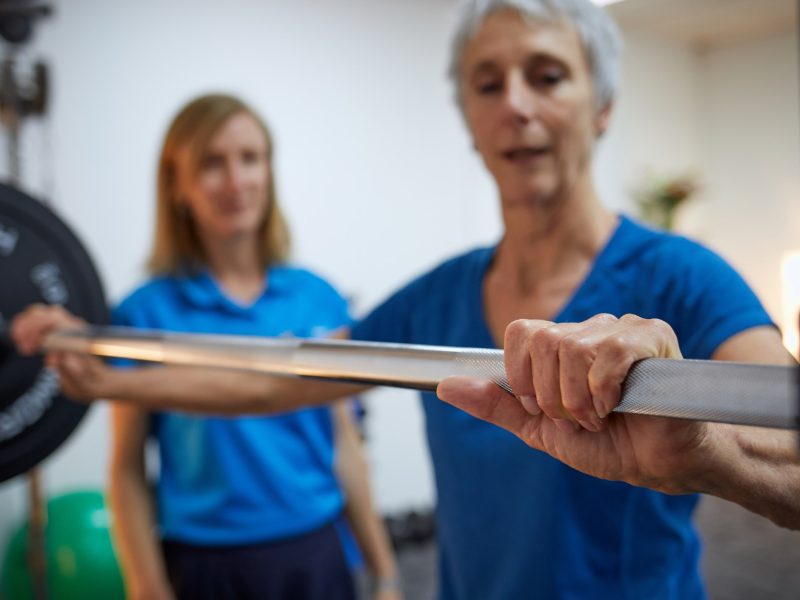
Our treatment rooms and studio are set up for personalized rehabilitation programs.
You may also be interested in our other articles on Physiotherapy Exercise Rehabilitation, Athletic Performance found here



Ready to move, think and feel alive?
Book online or call us on (08) 9337 6460.